Preferred trade partner of Saudi Tourism Authority

 Chat with us
Read latest news, guides and necessities about Hajj and Umrah.
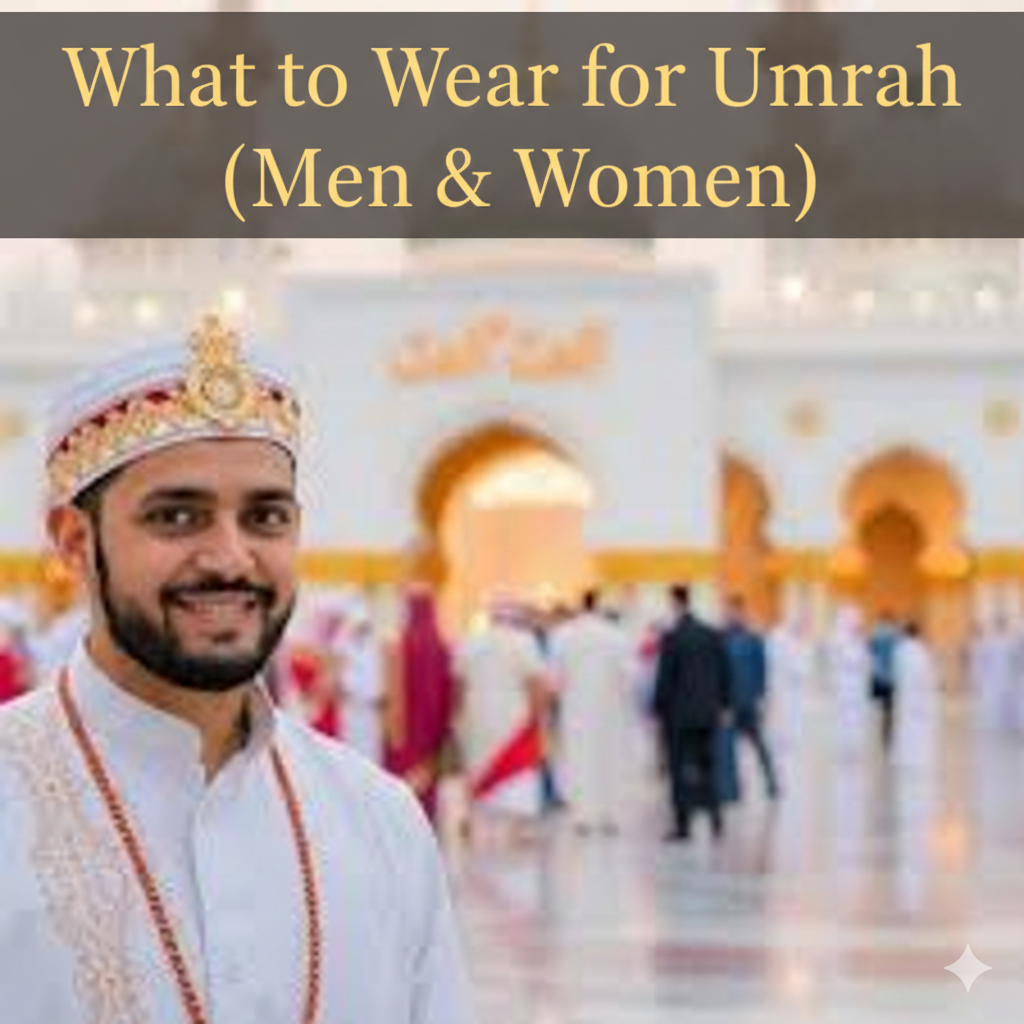
Standing in the heat of Makkah or Madinah while wearing the wrong fabric can turn a moment of worship into hours of discomfort. Many UK pilgrims only realise this after their first Tawaf, when heavy material clings, sweat builds, and focus slips. Knowing what to wear for Umrah is not simply about following rules – it is about protecting your energy so you can stay present.
This guide explains the practical dress requirements for both men and women, the fabrics that cope best with Saudi heat, and the small choices that make a real difference for travellers from London, Birmingham or Manchester. At LoveUmrah.com we speak to British families every week who ask the same questions about clothing before they travel. The answers below are based on those conversations and on what actually works once you are on the ground.
For men, what to wear for Umrah is governed by clear rules once Ihram begins. The two unstitched white sheets – the Izar (lower garment) and Rida (upper garment) – are obligatory for the state of Ihram. These must remain simple, without buttons, stitching that forms fitted clothing, or decorative elements.
Outside the periods of Ihram, men can wear ordinary modest clothing. Loose trousers or thobes paired with a simple shirt work well. Many UK pilgrims prefer lightweight cotton or cotton-blend garments that allow air to circulate. Avoid tight jeans, synthetic sportswear that traps heat, and anything that restricts movement during Tawaf or Sa’i.
Footwear should be easy to slip on and off, as you will remove shoes frequently. Sandals or soft slippers are practical. The key principle remains the same: clothing should not distract from worship and should help the body cope with high temperatures. Understanding what to wear for Umrah at each stage of the journey prevents discomfort and keeps the focus on the rites themselves.
For women, what to wear for Umrah centres on modesty rather than a specific uniform. The clothing must cover the entire body except the face and hands. A loose abaya or long dress combined with a hijab that fully covers the hair and neck is the standard approach. The fabric should not be transparent or tightly fitted.
Many British women travelling from cities such as London or Birmingham prefer abayas made from lightweight, breathable materials that still provide complete coverage. Dark colours are common because they are practical and less likely to show dust, although lighter shades can feel cooler in direct sun. The headscarf should stay secure during Tawaf and Sa’i so it does not require constant adjustment.
Avoid clothing that clings when damp with sweat, as this can become uncomfortable and less modest. Simple, well-cut garments that allow free movement are far more useful than heavily embellished pieces. Knowing what to wear for Umrah as a woman means choosing outfits that support both the religious requirements and the physical demands of walking and standing for long periods in the heat.
Choosing the right fabric is one of the most practical parts of deciding what to wear for Umrah. Temperatures in Makkah and Madinah regularly exceed 35°C, and the combination of heat, walking, and crowded spaces makes breathable material essential.
Cotton remains the most reliable choice for both men and women. It absorbs moisture, allows air to circulate, and feels cooler against the skin than synthetic fabrics. Lightweight cotton-linen blends also work well, especially for abayas and outer layers. Avoid pure polyester or nylon, as these trap heat and can leave the body feeling clammy after Tawaf.
For Ihram sheets, many UK pilgrims now prefer pre-washed cotton that is soft from the first wear and less likely to cause irritation. Some modern Ihram sets include a small percentage of moisture-wicking fibre, which can help during longer periods of walking. Whatever you select, test the fabric at home first. Knowing what to wear for Umrah in terms of material can make the difference between a focused day of worship and one spent dealing with discomfort.
Many British travellers pack clothing that works well in the UK but struggles in the dry heat of Saudi Arabia. A common mistake is bringing too many heavy or dark synthetic items. When planning what to wear for Umrah, prioritise garments you can wash easily and that dry overnight in a hotel room.
Layering can be useful, especially for flights and air-conditioned areas. A light cardigan or shawl that packs small gives flexibility without adding bulk. For women, having two or three reliable abayas is usually more practical than a large selection of outfits. Men often find that two sets of Ihram sheets plus a few simple thobes or loose shirts cover most needs.
Footwear deserves careful thought. Shoes that can be removed quickly and that do not cause blisters after hours of walking are essential. Many UK pilgrims favour supportive sandals with good grip. Finally, pack a small sewing kit and spare safety pins – these prove useful when adjusting garments on the go. Thinking ahead about what to wear for Umrah in real daily conditions helps avoid last-minute discomfort once you arrive.
Even experienced travellers sometimes get what to wear for Umrah wrong on their first visit. One frequent error is packing clothing that looks modest at home but becomes see-through or clingy once damp with sweat. Another is choosing pure black abayas made from thick fabric that absorb heat rather than reflect it.
Men occasionally bring Ihram sheets that are too stiff or poorly finished, leading to constant adjustment during Tawaf. Tight underwear or seams that rub can also cause problems after long hours of walking. Women sometimes underestimate how often they will need to adjust their hijab in crowded spaces and end up with styles that slip easily.
Bright colours and heavy embroidery may look attractive but can feel impractical in the heat and dust. Over-packing is another issue – large suitcases filled with outfits that never leave the hotel room only add stress. A clearer approach to what to wear for Umrah focuses on a small number of proven, comfortable pieces that can be rotated and washed easily throughout the journey.
Footwear is often overlooked when people think about what to wear for Umrah, yet it affects comfort more than almost any other item. You will remove your shoes many times each day, so pairs that slip on and off easily are essential. Supportive sandals with a secure strap and reasonable cushioning work better than flat flip-flops for most UK pilgrims.
Men in Ihram should avoid sewn footwear that covers the ankle bone fully. Simple sandals that leave the ankles exposed remain the correct choice. Women can wear closed or open styles as long as they remain modest and practical for long periods of standing and walking.
Small accessories also help. A lightweight drawstring bag for carrying shoes during Tawaf keeps hands free. Soft cotton socks can be useful in air-conditioned areas or on the plane. A compact umbrella or wide-brimmed hat (used outside the Haram) offers shade when moving between locations. Paying attention to these details forms part of a realistic approach to what to wear for Umrah and reduces avoidable irritation during the days of worship.
A clear packing list removes much of the uncertainty around what to wear for Umrah. Most British pilgrims find that fewer, carefully chosen items work better than a large wardrobe. For men, two full sets of Ihram sheets, two or three lightweight thobes or loose shirts, and a couple of pairs of comfortable trousers usually suffice. For women, three modest abayas or long dresses, several soft hijabs, and loose under-layers provide enough variety without excess weight.
Include a small amount of warmer clothing for the flight and for air-conditioned hotel rooms. A light jacket or cardigan packs easily and proves useful when moving between extremes of temperature. Keep colours practical – white or cream for Ihram, and darker or neutral tones for everyday wear so that dust and marks are less noticeable.
Washable fabrics remain essential. Many UK families now pack a small amount of travel detergent so that clothes can be rinsed and dried in the hotel bathroom overnight. This approach to what to wear for Umrah keeps luggage light, reduces decision-making on the ground, and leaves more mental space for the purpose of the journey itself.
Older UK pilgrims often need extra thought when deciding what to wear for Umrah. Joint stiffness, reduced circulation, and sensitivity to heat mean that fabric choice and fit become especially important. Loose cotton garments that do not restrict movement help during long periods of standing and walking. Avoid anything that requires complex fastening or constant adjustment.
For those who use walking aids or have limited mobility, clothing should allow easy access and not catch on frames or wheelchairs. Soft, seamless socks and supportive yet simple footwear reduce the risk of blisters. Women who find standard abayas heavy may prefer lighter styles that still meet the requirements of modesty.
It is also wise to pack one extra set of clothing in hand luggage in case of delays or unexpected weather. Families travelling with elderly parents from cities such as Manchester or Birmingham often report that the simplest outfits prove the most successful. A careful approach to what to wear for Umrah for older travellers can preserve energy and dignity throughout the days of worship.
Choosing what to wear for Umrah is one of the most practical preparations a UK pilgrim can make. The right clothing supports both the religious requirements and the physical reality of heat, walking, and long days of worship. Simple, breathable fabrics, correct coverage, and thoughtful footwear allow the mind to stay focused on the rites rather than on discomfort.
Men and women have different rules, yet the underlying principle remains the same: dress in a way that preserves modesty and conserves energy. Testing fabrics at home, packing lightly, and prioritising cotton or cotton-blend materials all reduce avoidable problems once you arrive in Makkah or Madinah.
For many British families, clarity on clothing removes a significant source of pre-travel anxiety. When the practical details are settled, more attention can turn toward the spiritual purpose of the journey. If you are still arranging flights, hotels or transfers, a UK-based specialist such as LoveUmrah.com can help.
As an authorised trade partner of the Saudi Tourism Authority with ATOL-protected flights, direct hotel allotments, private transfers and a team of dedicated consultants available by WhatsApp, they handle the wider logistics so that questions about what to wear for Umrah become just one settled part of a well-organised trip.
What is the most important rule about what to wear for Umrah as a man?
Men must wear the two unstitched white Ihram sheets once they enter the state of Ihram. Outside Ihram periods, modest, loose clothing is required. Breathable cotton is strongly recommended for comfort in the heat.
What should women prioritise when deciding what to wear for Umrah?
Women need full-body coverage except for the face and hands. A loose abaya or long dress with a secure hijab meets the requirements. Lightweight, non-transparent fabrics help manage the high temperatures.
Can I wear black abayas when considering what to wear for Umrah?
Yes, black is commonly worn and remains fully acceptable. Some pilgrims prefer lighter colours in extreme heat because they absorb less warmth, but both options are fine provided the fabric is modest and breathable.
How many outfits do most UK pilgrims need when planning what to wear for Umrah?
Most people manage well with two sets of Ihram sheets for men, or three abayas and several hijabs for women, plus a few simple everyday items. Over-packing usually creates more difficulty than it solves.
Does the advice on what to wear for Umrah change between summer and winter?
The core rules stay the same year-round. In cooler months you may add a light layer for air-conditioned spaces or evening walks, but breathable base layers remain essential because daytime temperatures can still be high.